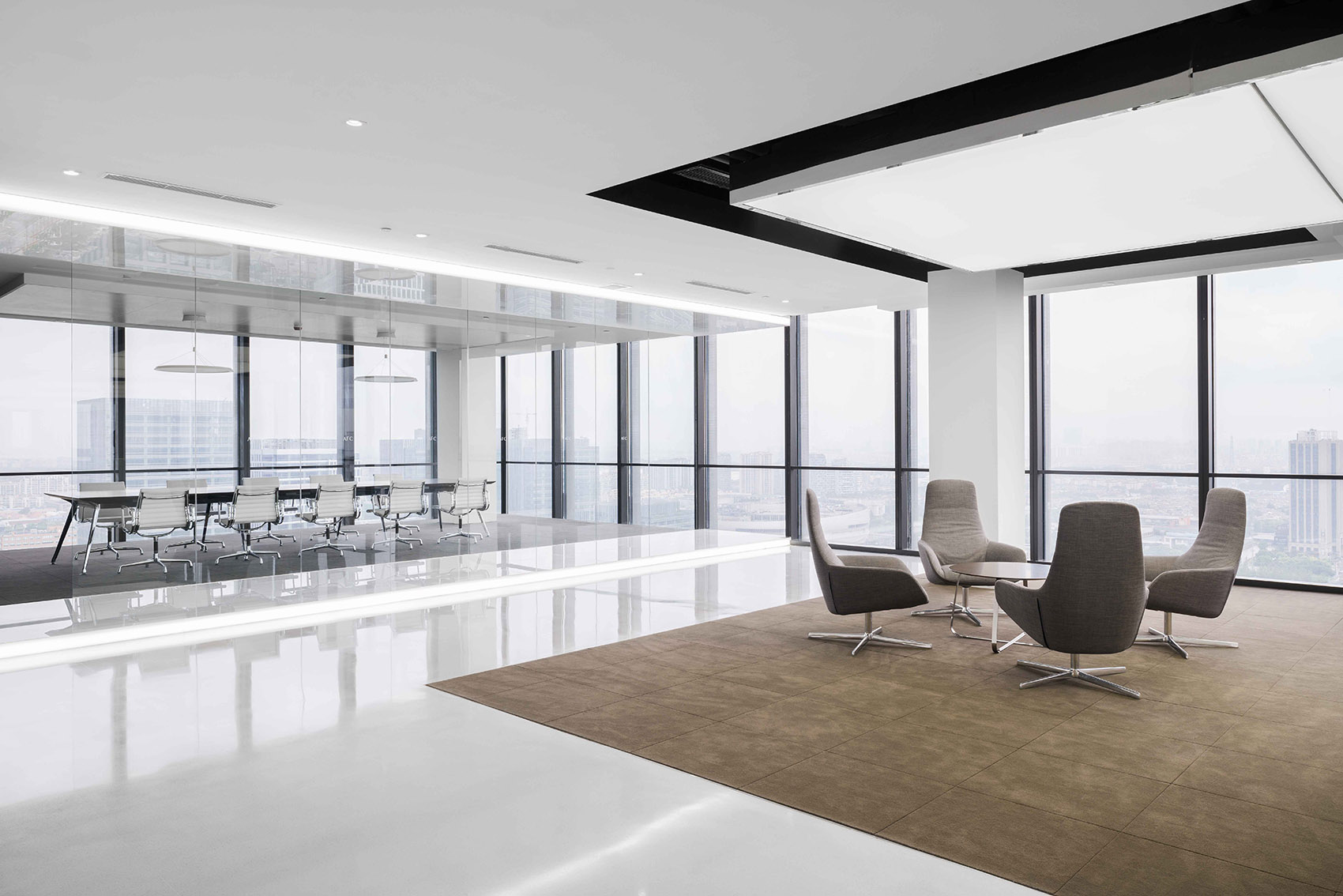
Beijing Interior Design: Crafting Balanced, People-Centric Office Environments
As a creative interior designer with over two decades of experience shaping spaces that inspire and connect, I’ve seen the evolution of workplace design firsthand—from rigid cubicles to open-plan chaos and now, to something more thoughtful, intentional, and human.
In Beijing, where work culture is deeply rooted in community yet constantly evolving with global trends, office design plays a crucial role in supporting both productivity and well-being . The days of one-size-fits-all layouts are gone. Today’s Beijing interior design must reflect the city’s unique rhythm—where ancient hutongs sit beside futuristic skyscrapers and where collaboration meets contemplation.
The Open-Plan Boom (and Its Lessons)
A decade ago, open-plan offices were hailed as the future—spaces without walls, built on the promise of increased communication and creativity. In Beijing, many tech startups and multinational firms embraced this model, especially in business hubs like Chaoyang District and Zhongguancun .
But as we’ve learned, removing physical boundaries doesn’t always lead to better collaboration. In fact, it often led to distraction, reduced focus, and even lower morale. As one local executive shared with me, “办公室太开放,连安静喝口茶的时间都没有。” (“The office is too open—you don’t even have time to quietly drink a cup of tea.” )
This realization has sparked a shift toward more balanced, flexible designs—ones that respect both the need for connection and the value of personal space.
A New Approach: Emotional Zoning in Office Design
At our firm, we’ve embraced what we call “emotional zoning”—designing office interiors that cater to different moods and tasks throughout the workday. This approach is especially relevant in Beijing, where long working hours and high-pressure roles make mental wellness a growing concern among professionals.
We divide spaces into distinct zones:
- Focus Zones : Quiet, semi-private pods with acoustic treatments for deep work.
- Collaboration Zones : Open but defined areas for meetings and brainstorming.
- Recharge Zones : Lounge-like corners with soft lighting and biophilic elements—ideal for short breaks or informal chats.
- Cultural Zones : Thoughtfully designed areas that reflect local heritage, such as tea stations or traditional motifs subtly integrated into modern décor.
These zones allow employees to choose where they work based on their current needs—supporting not just efficiency, but also emotional balance.
Blending Tradition with Modernity
Beijing’s identity lies in its duality—imperial history and contemporary ambition living side by side. We bring this same philosophy into Beijing interior design , especially when crafting office interiors for local and international clients alike.
For example, a financial firm in Financial Street might feature minimalist Scandinavian furniture accented with carved wooden screens inspired by siheyuan courtyard homes. Or a creative agency near 798 Art District could incorporate red lanterns reimagined as modern light fixtures, symbolizing both luck and innovation.
These touches aren’t just decorative—they tell a story about place, purpose, and pride. And as any seasoned business leader in Beijing knows, a strong sense of identity can boost employee engagement and brand loyalty .
Emerging Workplace Trends in Beijing
Over the past few years, we’ve noticed several key shifts influencing Beijing interior design :
- Wellness Integration : From ergonomic seating to indoor gardens and air-purifying materials, companies are investing in healthier environments.
- Flexible Layouts : Modular furniture and movable partitions allow teams to adapt spaces quickly for new projects or hybrid work setups.
- Tech-Integrated Design : Smart lighting, touchless controls, and interactive meeting walls are becoming standard features.
- Local Storytelling : Offices are increasingly using design to celebrate Chinese heritage—whether through brushstroke-inspired wall art or Confucian-inspired spatial harmony.
- Sustainability Focus : With Beijing’s push for greener cities, clients are seeking eco-conscious materials, energy-efficient systems, and circular design strategies.
Our Philosophy: Design That Cares
At our firm, Beijing interior design isn’t just about creating functional spaces—it’s about designing environments that care for the people who use them. We collaborate closely with architects, developers, and HR teams to ensure each project supports both individual well-being and organizational goals.
Our process begins with understanding the client’s company culture, employee needs, and long-term vision. Because great design starts with listening—to your team, your values, and the emotions that drive performance.
Ready to Redefine Your Workplace?
If you’re a business leader or property developer looking to create an office environment that truly reflects the spirit of Beijing, let’s talk. Together, we can craft a Beijing interior design plan that balances innovation with tradition, function with feeling, and work with wellness.
Because in the end, the best-designed offices aren’t just efficient—they’re places where people feel valued, connected, and inspired.
“好的办公空间,是让人安心工作的家。”
(A great office is a space that feels like home—a place where you can安心工作, work with peace of mind. )
Award Winning Office Interior Design
Follow us on social media, we post good stuff


