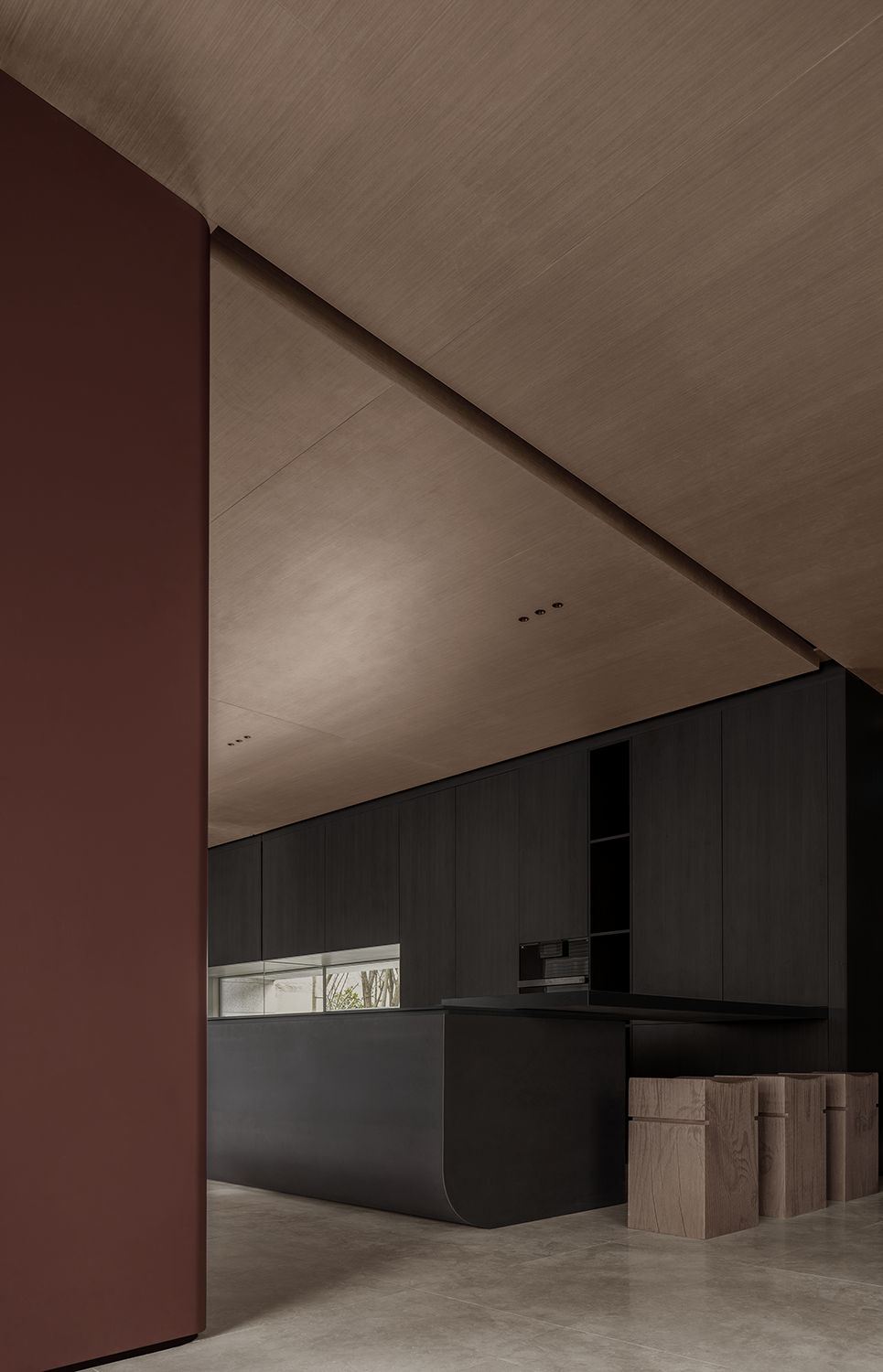
How Beijing Interior Design Transforms Retail & Restaurant Spaces Into Immersive Destinations
As a creative interior designer with over two decades of experience shaping emotional, people-centric environments, I’ve seen how design can turn a simple retail or restaurant space into an unforgettable experience.In Beijing , where consumer expectations are evolving and competition is fierce, businesses can no longer rely solely on product quality or menu offerings. The environment itself must tell a story, evoke emotion, and create a sense of place.
At our firm, we specialize in Beijing Interior Design that goes beyond aesthetics—crafting immersive retail and dining experiences that not only attract customers but keep them coming back.
“好的空间,不只是交易的场所,更是情感的连接。”
(A great space isn’t just for transactions—it’s for emotional connection.)
Why Immersive Design Is the Future of Retail & Hospitality
The days of generic storefronts and cookie-cutter restaurants are gone. Today’s consumers in Wangfujing, Sanlitun , and Chaoyang District crave more than convenience—they seek experience.
Immersive design engages all the senses: sight, sound, touch, smell, and even taste. It transforms static spaces into dynamic environments that reflect brand identity while resonating deeply with customers.
Whether it’s a boutique store that tells a story through its textures and lighting or a restaurant that makes diners feel like they’re dining in another era, immersive design creates memorable moments—and those moments drive loyalty.
5 Key Elements That Make Retail & Restaurant Spaces Captivating
Inspired by the storytelling approach of studios like Dimore Studio, we’ve adapted these principles to suit the unique rhythm and culture of Beijing’s retail and hospitality landscape:
Thematic Storytelling Through Spatial Design
Every brand has a story—and at our firm, we believe that story should unfold the moment a customer walks through the door.
We design spaces that immerse visitors in a narrative: whether it’s a tea shop inspired by the Old Hutongs , a fashion boutique that evokes the elegance of Ming Dynasty architecture , or a modern Chinese fusion restaurant that blends tradition with futurism.
“空间会说话,关键是如何让它讲好你的故事。”
(Spaces speak—if you know how to make them tell your story.)
Sensory Materiality: Creating Emotional Touchpoints
Material choice plays a powerful role in how people feel within a space. In our Beijing Interior Design projects, we combine rich textures—natural wood, brushed metal, stone, and handwoven fabrics—to create sensory depth.
For example, a café in Houhai might feature reclaimed wooden beams and soft linen cushions to evoke warmth and nostalgia, while a high-end retail space in SKP-S could use polished brass and velvet to convey luxury and sophistication.
These materials aren’t just beautiful—they’re emotionally resonant.
Lighting as a Tool for Atmosphere
Lighting does more than illuminate—it sets the mood. We use layered lighting strategies to guide movement, highlight products, and enhance ambiance.
From warm, dimmable lights in lounge-style seating areas to dramatic spotlights on featured displays, every lighting decision is intentional. In a fine dining restaurant in Guomao , this approach helps build intimacy and elevate the dining experience.
Cultural Integration Through Local Craftsmanship
Beijing is a city of history and innovation. Our designs honor both.
We collaborate with local artisans to incorporate traditional elements—such as carved wood panels, ink-washed wall art, or cloisonné-inspired accents—into contemporary interiors. These touches add authenticity and help brands connect with both locals and global travelers.
Soundscaping: The Hidden Layer of Immersion
Few people notice it, but sound plays a crucial role in shaping perception. Whether it’s the gentle rustle of a bamboo fountain in a retail lounge or the curated playlist in a rooftop bar in Sanlitun , we ensure every space feels harmonious.
Carefully designed acoustics also improve comfort—reducing noise pollution in open-plan restaurants and enhancing clarity in retail service areas.
Case Study: A Boutique Café in Nanluoguxiang
One of our recent projects was a small boutique café nestled in the historic Nanluoguxiang alleyway. The goal? To blend modern café culture with traditional hutong charm.
We used:
- Reclaimed wood from old courtyard homes
- Soft lantern-style lighting inspired by ancient lantern festivals
- Curved walls that mimicked the flow of calligraphy
- A central tea-tasting counter that doubled as a social hub
The result? A space that felt timeless yet fresh—where locals and tourists alike came not just for coffee, but for the experience.
Ready to Redesign Your Retail or Restaurant Space in Beijing?
If you’re looking to refresh your store, launch a new restaurant, or reimagine your brand presence in Beijing, now is the perfect time to invest in immersive Beijing Interior Design .
Let us help you craft a space that doesn’t just serve customers—it captivates them, connects with them, and keeps them coming back.
Contact us today to begin shaping your next immersive destination.
Follow us on social media for more insights into meaningful, people-first interior design across China.
Designing Spaces That Sell & Delight
Follow us on social media, we post good stuff


