Transforming Spaces into Experiences: The Heart of Interior Design in Beijing
In today’s fast-evolving urban landscape—especially in dynamic hubs like Beijing—interior design is no longer just about aesthetics. It’s about crafting environments that resonate emotionally, function intuitively, and reflect the rhythm of daily life. At our firm, with over two decades of global and local experience, we believe that great design doesn’t just fill a room—it invites people in, tells a story, and transforms space into a lived experience.
From the quiet intimacy of a Sanlitun loft to the collaborative energy of a Zhongguancun tech office, every project begins with a simple question: Who will inhabit this space, and how should it make them feel?
People-Centric Design: Where Function Meets Feeling
Modern interior design in Beijing is increasingly shaped by human needs—not just spatial ones. In homes, we see a growing desire for “jia de wendu” (家的温度)—the warmth of home. This means layered textures, natural materials like bamboo and linen, and layouts that encourage connection over isolation. A dining table isn’t just for meals; it’s where grandparents share stories, children do homework, and friends linger late into the evening.
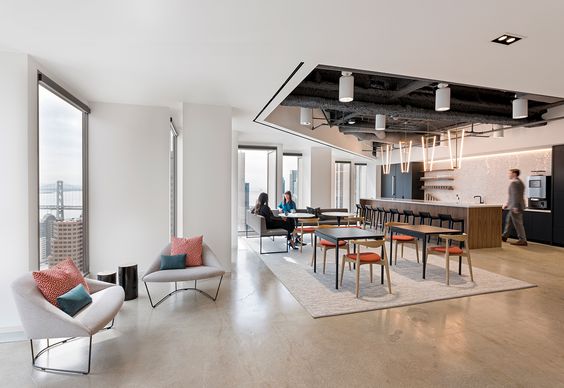
In workplaces—particularly in districts like Guomao and CBD—design must balance productivity with well-being. Open-plan offices are evolving beyond sterile efficiency. Instead, we integrate acoustic privacy zones, biophilic elements (think indoor green walls or stone accents inspired by the Fragrant Hills), and flexible furniture that adapts to both focused work and team huddles. The goal? A space that supports “gongzuo yu shenghuo de pingheng”—work-life harmony.
Retail environments, too, are shifting from transactional to experiential. A boutique in Dashilar or a concept store in 798 Art Zone isn’t just selling products—it’s offering a moment of discovery. Through curated lighting, tactile displays, and spatial storytelling, we help brands create emotional touchpoints that linger long after a customer leaves.
Cultural Relevance Meets Global Standards
Beijing’s design language is uniquely layered—steeped in imperial heritage yet boldly contemporary. We honor this duality by blending traditional motifs with modern minimalism. A reception desk might echo the curved eaves of a siheyuan courtyard, reimagined in smooth concrete. A feature wall could incorporate dougong (bracket set) patterns as subtle laser-cut metal screens.
At the same time, our firm adheres to international sustainability and ergonomics standards. We specify low-VOC finishes, locally sourced timber from Hebei province, and modular systems that reduce waste. This fusion—“ben tu yu quan qiu de rong he” (本土与全球的融合)—ensures spaces are not only beautiful but responsible and resilient.
The Emotional Architecture of Everyday Life
Great interior design operates quietly in the background, yet its impact is profound. Consider a dining room: in 2026, it’s less about matching chairs and more about how light falls across the table at sunset, how the grain of walnut wood feels under fingertips, or how a cluster of amber glass pendants casts a golden glow that makes conversation flow more easily.
Similarly, an office shouldn’t just look sleek—it should feel supportive. Ergonomic seating, circadian lighting that shifts with the day, and acoustics tuned for clarity (not echo) all contribute to mental ease. In retail, the path a customer takes through a store—the pauses, the reveals, the moments of surprise—is choreographed like a dance.
This is what we call emotional architecture: designing not just for the eye, but for the body, mind, and spirit.
Why Local Insight Matters in Interior Design Beijing
While global trends offer inspiration, true resonance comes from local understanding. Beijing’s climate—dry winters, humid summers—informs material choices. Its work culture, which values both hierarchy and collective harmony, shapes office layouts. And its residents’ deep appreciation for craftsmanship means every detail must be intentional.
Our team, rooted in Beijing yet informed by projects across Asia, Europe, and North America, brings this nuanced perspective to every engagement. Whether we’re reimagining a family home in Shunyi, a co-working space in Wangjing, or a flagship store near Sanlitun, we listen first—then design.
Design as a Catalyst for Connection
Ultimately, the most successful interiors are those that foster human connection. A well-designed space doesn’t shout; it welcomes. It doesn’t dictate; it invites. And in a city as vibrant and complex as Beijing, that’s more valuable than ever.
As we look ahead, interior design in Beijing will continue to evolve—not toward fleeting trends, but toward timeless experiences grounded in empathy, culture, and craft. Because when space becomes experience, it doesn’t just house life—it enhances it.
Ready to transform your space into a meaningful experience?
Our firm specializes in people-first interior design across Beijing—from private residences to corporate headquarters and retail destinations. Let’s create a space that doesn’t just look beautiful, but feels like home, work, or wonder—exactly as it should.
Interior Design Beijing, reimagined with heart.


