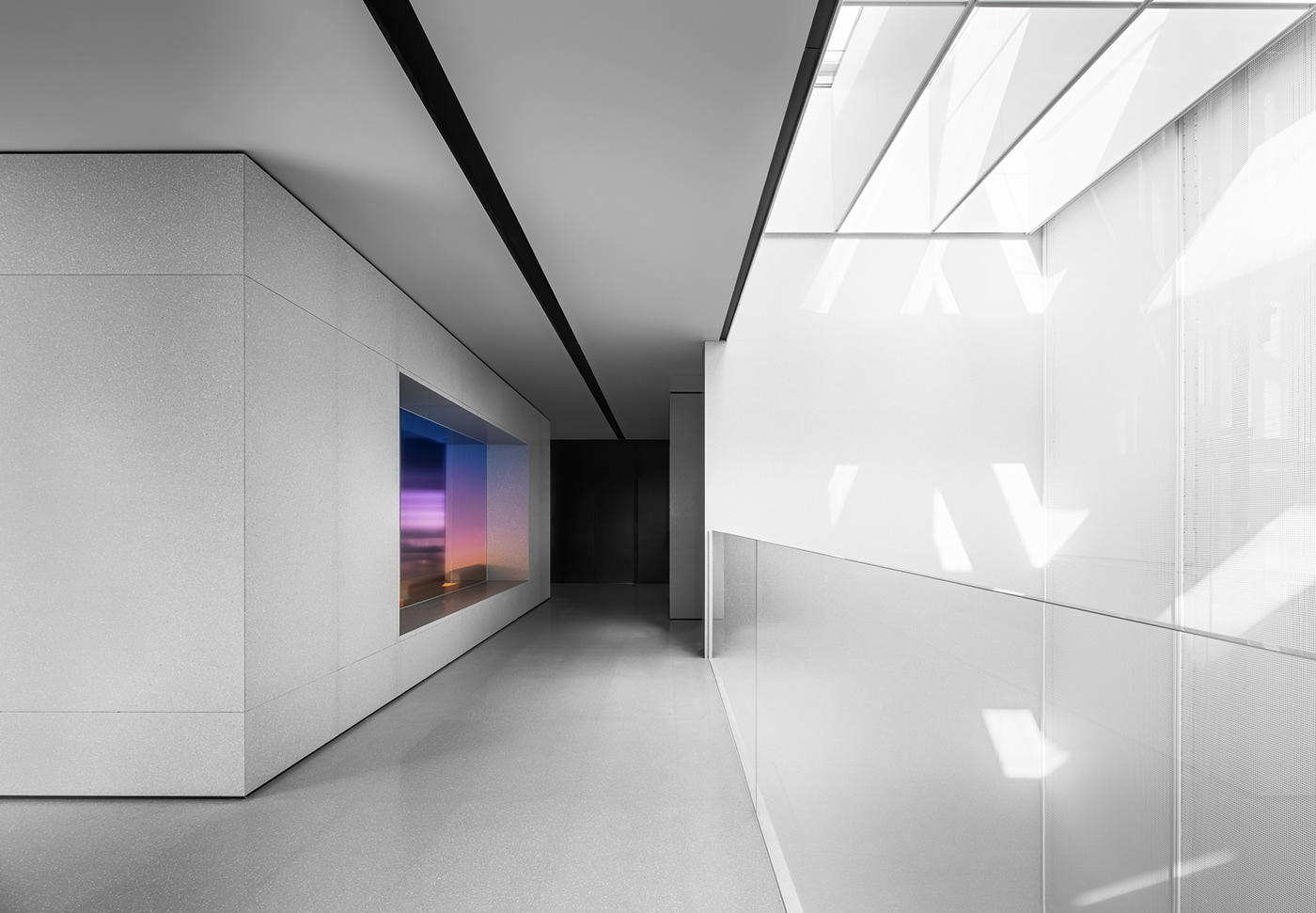
Retail Interior Design Beijing: Crafting Luxury Brand Experiences That Convert
Beijing’s retail landscape is a fascinating blend of heritage and hyper-modernity. From luxury flagships in Sanlitun to high-end malls like SKP and China World, the city thrives on a culture of discovery, aspiration, and experience-led shopping. In this competitive environment, Retail Interior Design Beijing is no longer just about visual appeal—it’s about transforming retail spaces into destinations that captivate, engage, and convert.
As global economic shifts reshape consumer confidence and spending behavior, retailers in Beijing are rethinking how physical stores can remain relevant in an increasingly digital world. The answer lies in creating emotionally engaging, strategically designed environments that offer something online platforms cannot—真实体验 (a real, tangible experience).
Understanding Beijing’s Retail Ecosystem
Beijing is a city where retail is both social and symbolic. Shopping is not just transactional—it’s experiential. Consumers, particularly younger demographics, are highly design-conscious and digitally connected. Social media platforms influence where people go, what they buy, and how they share their experiences.
High-traffic districts such as Sanlitun, Wangfujing, and CBD areas are home to global luxury brands and emerging local labels competing for attention. Shopping malls dominate, but lifestyle retail and curated concept stores are rapidly gaining traction.
In this context, Retail Interior Design Beijing must respond to several key factors:
-
Strong competition among global and local brands
-
Demand for immersive, Instagram-worthy environments
-
Integration of online and offline retail experiences
-
High expectations for quality, storytelling, and innovation
Beyond Aesthetics: Designing for Brand Experience
Luxury retail design today goes far beyond decoration. It is about translating a brand’s identity into a physical journey—one that customers can feel, explore, and remember.
From the moment a customer approaches a storefront, the experience begins.
Storefront Visibility and First Impressions
In Beijing’s dense retail environments, visibility is everything. A compelling façade, bold window displays, and layered lighting create an immediate connection. The storefront must communicate the brand story within seconds—一眼吸引 (captivating at first glance).
Customer Journey and Spatial Storytelling
Once inside, the space should guide customers intuitively. Strategic zoning, clear circulation paths, and curated product placement create a seamless journey. Each zone reveals a new layer of the brand, encouraging exploration and discovery.
Product Display Hierarchy
Not all products should be treated equally. Hero pieces deserve spotlight positioning, while supporting items create depth and context. This hierarchy enhances visual clarity and drives purchasing decisions.
Designing for Emotion and Engagement
The most successful retail spaces in Beijing are those that create emotional connections.
Lighting as a Storytelling Tool
Lighting shapes mood and perception. Soft ambient lighting creates warmth, while focused lighting highlights products and textures. Dynamic lighting can even transform the space throughout the day, keeping the experience fresh.
Materiality and Texture
Luxury is often expressed through materials. Stone, metal, glass, and tactile fabrics add depth and authenticity. In Beijing, there is also a growing appreciation for blending contemporary finishes with subtle cultural references—现代与传统的融合 (a fusion of modern and traditional).
Creating Instagram-Worthy Moments
Today’s customers are also content creators. Designing focal points—sculptural installations, artistic displays, or immersive rooms—encourages organic sharing. These moments extend the brand’s reach beyond the physical store.
From Store to Destination: Driving Foot Traffic and Sales
Retail spaces must now compete not just with other stores, but with digital platforms. To succeed, they must offer something unique.
Through Retail Interior Design Beijing, stores can become destinations by:
-
Creating immersive environments that invite exploration
-
Offering interactive and sensory experiences
-
Designing flexible spaces for events, launches, and activations
These strategies increase dwell time, which directly influences conversion rates. The longer customers stay, the more likely they are to engage and purchase.
Integrating Omnichannel and Technology
Modern retail design must seamlessly integrate digital and physical experiences.
In Beijing’s tech-savvy market, this includes:
-
Smart mirrors and digital displays
-
Mobile payment integration and QR-based interactions
-
Click-and-collect zones for online orders
Flexible layouts also allow stores to adapt quickly to changing retail trends, ensuring long-term relevance.
Balancing Beauty with Operational Efficiency
While aesthetics draw customers in, functionality ensures the store performs effectively.
A well-designed retail space considers:
-
Efficient staff workflow and service points
-
Easy product restocking and storage access
-
Durable materials that withstand high foot traffic
-
Maintenance-friendly finishes for long-term sustainability
This balance between beauty and practicality is what defines truly premium retail environments.
Retail Design as a Business Strategy
Design is a powerful business tool. When executed thoughtfully, it delivers measurable results:
-
Increased footfall: आकर्षक spaces attract more visitors
-
Higher conversion rates: Clear layouts and engaging displays drive sales
-
Stronger brand recognition: Memorable environments build lasting impressions
-
Customer loyalty: Positive experiences encourage repeat visits
In a city as competitive as Beijing, these outcomes are essential for sustained success.
Crafting People-Centric Retail Experiences
As a retail interior designer, I believe that every space should feel human, intuitive, and emotionally resonant. Much like designing a home, a retail environment should welcome, inspire, and connect.
In Beijing, this means understanding not just how people shop—but how they feel while shopping. It’s about creating spaces where customers can pause, explore, and immerse themselves in the brand story.
让空间有温度—to give the space warmth—is what transforms a store into an experience.
Setting a New Standard for Retail in Beijing
Retail is evolving, and so must the spaces that support it. Setting a new standard means designing environments that are adaptive, immersive, and deeply aligned with both brand identity and customer expectations.
Through Retail Interior Design Beijing, our firm delivers end-to-end solutions—from concept development and brand translation to spatial planning, visualization, and execution. Each project is approached as a strategic journey, where design decisions are guided by both creativity and commercial insight.
In Beijing’s ever-evolving retail landscape, the future belongs to spaces that do more than sell. They inspire, connect, and create lasting impressions.
Because when design is done right, a store becomes more than a place to shop—it becomes a destination.
Connect with us in


