- 195
Interior Design Beijing: Creating Distinctive Hospitality Spaces that Elevate Experience
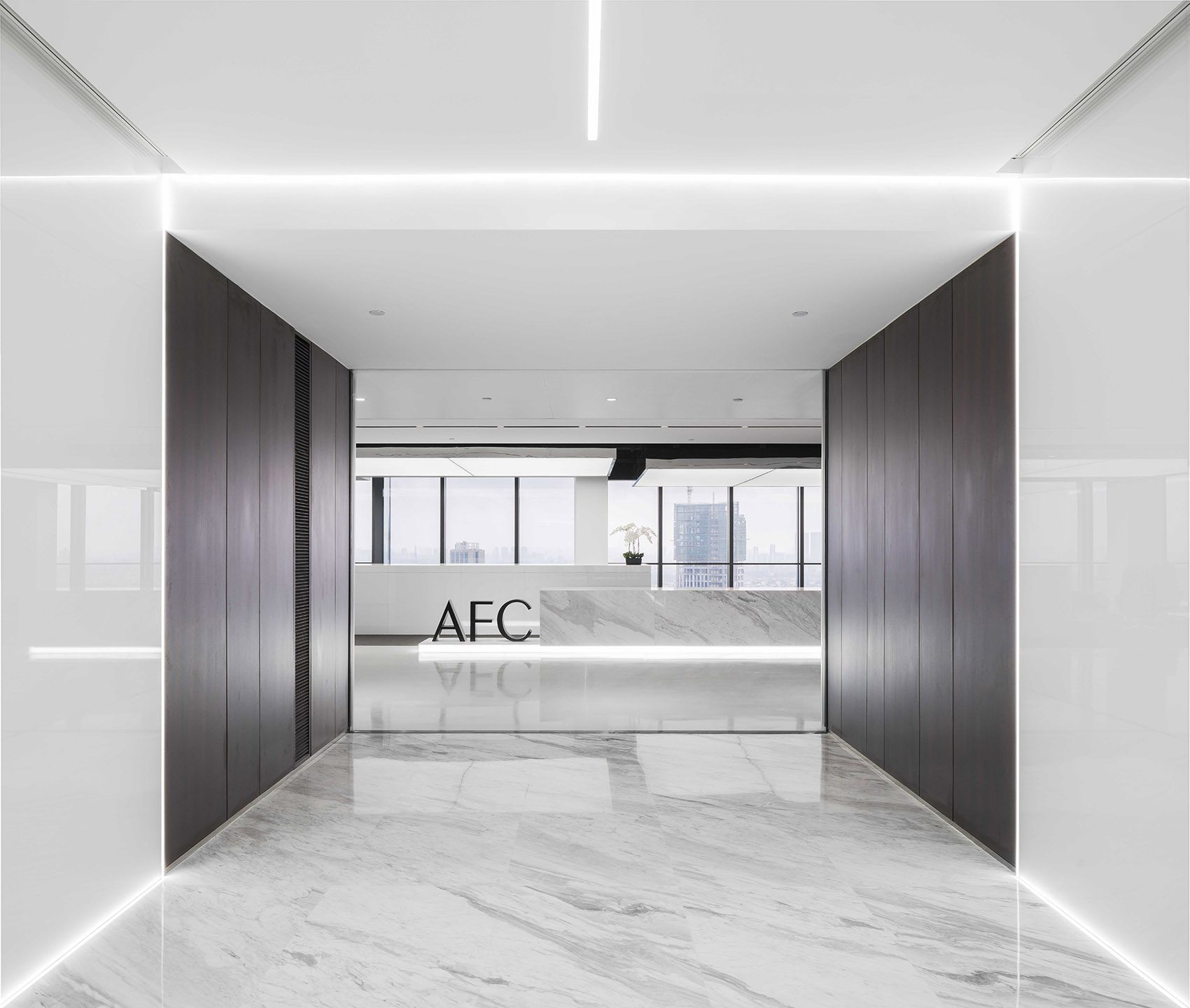
In a city as layered, dynamic, and culturally rich as Beijing, premium interior design isn’t just about aesthetics—it’s a strategic tool that helps restaurants, cafés, bars, nightclubs, and boutique hotels thrive in a highly competitive hospitality landscape. As an interior designer with over 20 years of experience crafting emotional, people‑centric environments, I’ve learned that great design blends cultural sensitivity, operational insight, and spatial storytelling to create memorable guest experiences.Beijing Interior Design
Beijing’s thriving culinary and nightlife scene—fueled by discerning locals, international travelers, and a blend of traditional and modern lifestyles—demands hospitality spaces that are both visually compelling and deeply functional. This is where thoughtful design becomes a differentiator that shapes perception, enhances brand identity, and drives business performance.
Understanding the Local Context: Beijing’s Hospitality Ecosystem
Beijing is a city where gùshi (故事)—stories—matter. From laneway hutong bistros in Nanluoguxiang to upscale cocktail bars in Sanlitun and stylish cafés in 798 Art District, the capital’s hospitality venues are cultural crossroads that reflect social habits and lifestyle rhythms.
With a climate that ranges from dry winters to warm, humid summers, indoor‑outdoor transitions and seasonal adaptability are key. Natural ventilation and shading strategies, combined with year‑round comfort solutions, ensure spaces feel inviting throughout the year. Urban density and high pedestrian flows in areas like Dongcheng and Chaoyang mean that spatial planning must manage guest circulation carefully while maximizing seating without compromising comfort.
Tourism patterns—where visitors flow between historical sites like the Forbidden City and modern urban hotspots—also influence design strategies. Interiors must offer memorable, culturally resonant settings that encourage photos, social sharing, and extended stays, bridging Beijing da jie (北京大街) heritage with contemporary hospitality expectations.
Crafting Emotional Spatial Experiences
Story‑Led Design & Brand Narrative
At the heart of successful interior design is concept storytelling. Great hospitality design translates a brand’s ethos into spatial emotion—whether it’s a Peking opera‑inspired fine‑dining restaurant or a minimalist tea café embracing Zen simplicity.
Through material selection, colour palettes, and narrative cues drawn from local culture (like brush stroke motifs or qi‑bao lantern elements), spaces unfold like chapters in a story. This holistic narrative engages guests emotionally, turning first‑time visitors into loyal patrons and brand advocates.
Spatial Planning & Flow Optimization
Thoughtful layout design is a crucial tactical advantage. Clear circulation paths, intuitive seating clusters, and ergonomically tuned zones (such as bar lounges, communal tables, and quiet corners) ensure a natural guest flow from arrival to seating, ordering, and departure.
Designers must also optimize back‑of‑house and service pathways to reduce staff fatigue, cut service times, and create efficiencies that directly benefit operational performance. A well‑planned seating layout increases turnover without undermining comfort—a key balance in dense urban environments.
Lighting, Acoustics & Atmosphere
Ambient lighting defines mood: warm, dimmer tones for intimate bars in Gulou; vibrant, daylight‑balanced lighting for bustling brunch cafés in Wudaokou. Layered lighting—combining task, accent, and architectural lighting—sculpts the way guests see and feel each moment.
Acoustic comfort is often overlooked but pivotal. Strategic use of soft finishes, acoustic panels, and spatial zoning helps control noise in lively Beijing venues, encouraging longer stays and enhancing conversation—essential ingredients for memorable hospitality experiences.
Materiality & Sensory Identity
Material choices anchor design in both beauty and utility. Tactile woods, artisan ceramics, and locally sourced stone lend authenticity, while durable upholstery and easy‑to‑clean surfaces support high footfall. Integrating biophilic elements like planters or green walls not only resonates with sustainability trends but also creates natural respite within busy city venues.
Design Strategies for Different Hospitality Typologies
Fine Dining Restaurants
Fine dining demands an immersive narrative that aligns with culinary artistry. Spatial drama, dramatic lighting, and custom furniture tailored to human scale create a stage where food is the star. Detailed attention to table spacing, acoustics, and sightlines enhances guest privacy and perceived luxury.
Casual Cafés & Work‑Friendly Spots
Cafés in Beijing now serve as hybrid social and work hubs. Zoning spaces for deep‑focus work, casual socializing, and speedy grab‑and‑go experiences ensures each demographic feels catered to. Ergonomic seating, built‑in power outlets, and quiet retreats within open layouts encourage loyalty and repeat visits.
Bars & Nightlife Venues
Bars thrive on energy and vibe. Signature lighting fixtures, sculptural bar fronts, and dynamic seating patterns create instagrammable moments that elevate social media visibility. Acoustic design ensures music and conversation coexist comfortably, enhancing dwell time and repeat returns.
Boutique Hotels & Integrated Leisure Spaces
In boutique hotels, interior design must communicate a cohesive brand experience from the lobby to guestrooms to F&B venues. Each space should feel curated and locally rooted—think contemporary interpretations of Beijing motifs fused with modern comfort and technology.
Design That Drives Business Outcomes
Design decisions directly impact key outcomes:
-
Guest Perception & Dwell Time: Emotional design and comfort encourage longer stays and positive reviews.
-
Operational Efficiency: Strategic spatial planning means quicker service and better staff flow.
-
Brand Recognition & Social Visibility: Memorable standout features—like custom lighting, art installations, or unique material expressions—become visual touchpoints shared online, amplifying organic marketing.
Your Strategic Hospitality Design Partner
At our studio, we guide clients from initial concept development through technical documentation, construction coordination, and final styling. We see interior design not as decoration but as a strategic business tool that supports brand identity, operational excellence, and cultural resonance. Whether you’re opening a boutique café in Sanlitun, a cocktail bar near Houhai, or transforming a heritage space into a lifestyle restaurant, thoughtful design helps your venue cut through competition and resonate with both locals and visitors.
Beijing isn’t just a city—it’s an ever‑evolving landscape of possibilities. Through sensitive, strategic, and emotionally intelligent design, we craft spaces that elevate the act of dining and socializing into unforgettable experiences.
Connect with us in


