- 272
Interior Design Beijing: Where Innovation Meets Humanity in Every Space
As a creative interior designer with over two decades of experience shaping emotional, people-centric environments, I’ve had the privilege of working across Asia’s most dynamic cities—from the sleek towers of Singapore to the cultural heart of Kyoto.Interior Design Beijing
But there’s something uniquely powerful about Interior Design Beijing.
In a city where ancient hutongs meet futuristic skyscrapers, where tradition and innovation stand side by side, design isn’t just about aesthetics—it’s about meaning. It’s about creating spaces that don’t just look impressive, but feel right.
At our firm, we’re redefining how we build smarter offices, retail environments, and residential spaces—not by chasing trends, but by listening deeply to the local situation and making every project truly unique.
Let me take you through how we’re shaping the future of design in one of Asia’s most influential cities.
1) Design That Serves People First: “以人为本,才是好设计。” (People-first design is good design.)
In Beijing’s fast-paced business districts—from Wangfujing to Lize Financial Business District—work culture values dedication, efficiency, and hierarchy. But we know that even the most driven teams need spaces that support well-being.
That’s why our Interior Design Beijing approach begins with empathy. We design for how people really work—creating quiet zones for focus, agile hubs for collaboration, and soft-lit retreats for mental reset.
In a tech startup in Zhongguancun or a multinational firm in Chaoyang, we integrate ergonomic furniture, biophilic elements, and intuitive zoning to reduce stress and boost productivity. Because when a space feels human, performance follows.
2) A Palette That Grounds and Inspires: “颜色是情绪的语言。” (Color is the language of emotion.)
Drawing inspiration from the timeless wisdom of Chinese color theory—where red symbolizes prosperity and black represents strength—we use color not just for decoration, but for psychological impact.
Like the earthy, nurturing tones highlighted in the source material, we incorporate warm neutrals, muted terracottas, and deep indigos into our projects. These hues create a sense of stability and calm—essential in a city where life moves at high speed.
In a luxury residence in Shunyi or a boutique store in Sanlitun, a carefully layered color palette can transform a space from functional to feeling.
It’s not about loud statements. It’s about subtle harmony.
3) Smart Design & Build Strategies: “快,但不能乱。” (Fast, but never chaotic.)
In a city where time is precious and budgets are tight, our integrated design & build model ensures seamless execution from concept to completion.
By bringing architects, designers, and project managers together from day one, we reduce delays, minimize risks, and deliver high-quality results on schedule.
Whether it’s a hybrid-ready office in Fengtai or a flagship retail space in Xidan, our process is built for agility—without sacrificing craftsmanship or creativity.
This is how we build smarter, not harder.
4) Sustainability with Substance: “绿色不是口号,是责任。” (Green isn’t a slogan—it’s responsibility.)
Sustainability is no longer optional. In a city facing air quality challenges and urban density, eco-conscious design is essential.
But at our firm, sustainability goes beyond recycled materials or energy-efficient lighting. It’s about intention.
We source locally—supporting Beijing’s artisans and reducing carbon footprint. We use low-VOC finishes, natural timber, and breathable textiles that honor both health and heritage.
And we design for longevity—creating timeless spaces that won’t need a full renovation in five years. Because true sustainability isn’t just environmental—it’s emotional and economic too.
5) Creating Flow and Connection: “空间要有呼吸感。” (Spaces need to breathe.)
Just as the source article emphasizes the importance of flow and harmony in color and form, we apply the same principle to spatial design.
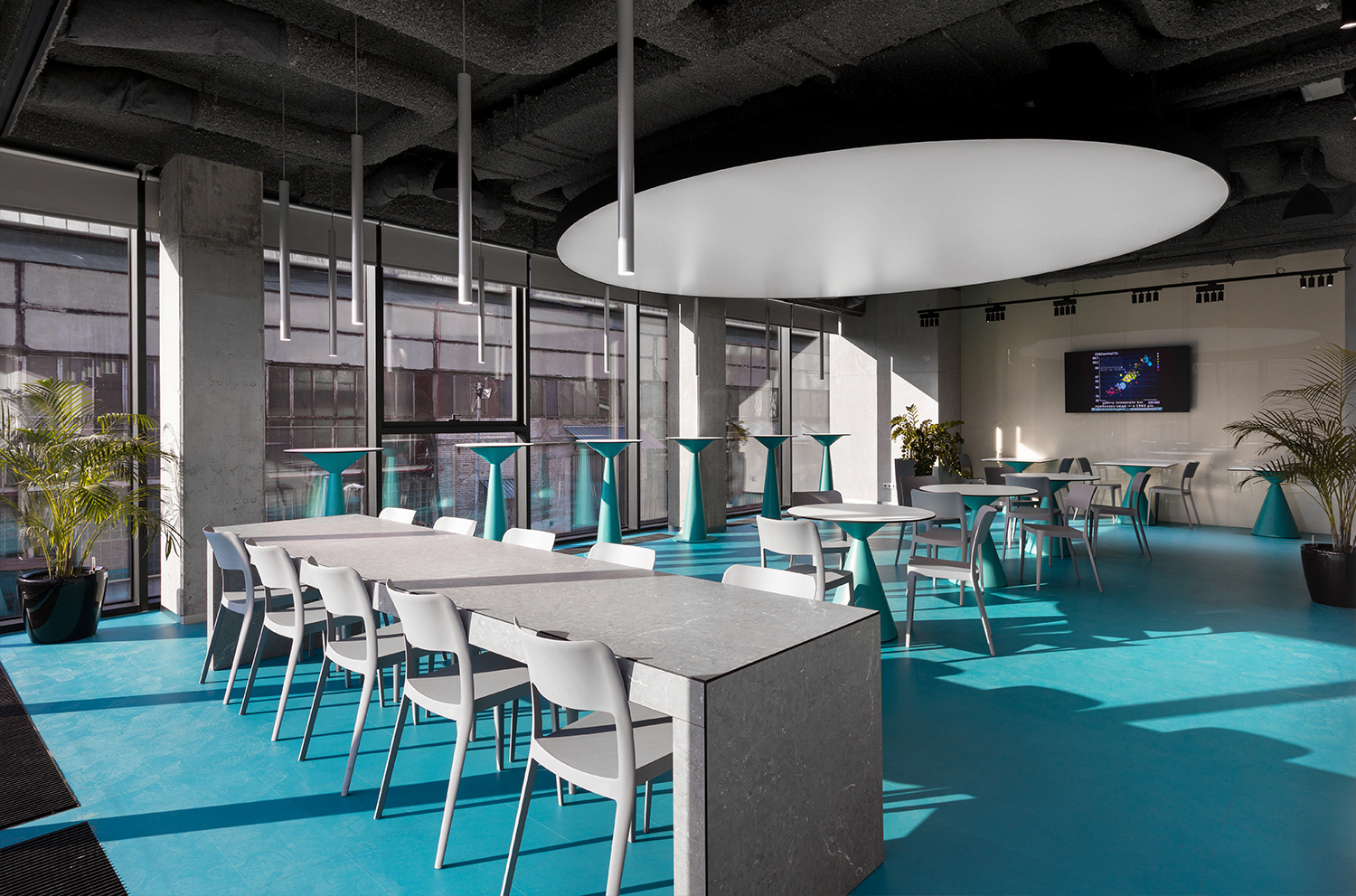
In our Interior Design Beijing projects, we carefully plan the journey through a space—using changes in lighting, flooring, and ceiling height to signal shifts in activity. A bright, open collaboration area might gently lead into a softer, carpeted lounge with warm wood tones—inviting conversation and connection.
We also use plants as natural room dividers—tall dracaena or cascading pothos—to create privacy without closing off the space. These subtle details make a big difference in how people feel—and perform.
6) Making It Unique: Honoring the Local Situation
What sets our work apart is our deep respect for the local situation—the cultural rhythms, climate challenges, and unspoken needs of the people who use the space.
We consider how Beijing’s dry winters affect material choices, why indirect lighting is preferred in private zones, and how communal tea breaks foster team bonding in offices across Haidian.
We also integrate subtle nods to Chinese heritage—lacquer finishes, calligraphy-inspired patterns, or feng shui-aligned layouts—paired with sleek, modern lines. These details aren’t just decorative—they build pride, belonging, and a shared sense of mission.
This sensitivity allows us to go beyond global templates and create spaces that feel rooted, not imported. It’s what makes our Interior Design Beijing projects not just visually striking, but emotionally resonant.
Final Thoughts: Design That Elevates Everyday Life
At our firm, we believe the best spaces don’t just follow trends—they lead them.
They help teams focus. They reflect brand values. They attract and retain the best talent by showing that a company cares—not just about results, but about people.
From concept to completion, we take a holistic, people-first approach—ensuring that every detail, from airflow to acoustics to the placement of a single planter, serves a purpose.
Whether you’re reimagining a corporate hub in CBD or launching a boutique workspace in Wudaokou, let us help you create a space that’s not only functional but uniquely yours.
Because in a city like Beijing, where history and future collide, your environment should do more than exist.
It should inspire.
“好设计,从理解开始。”
Great design begins with understanding.


