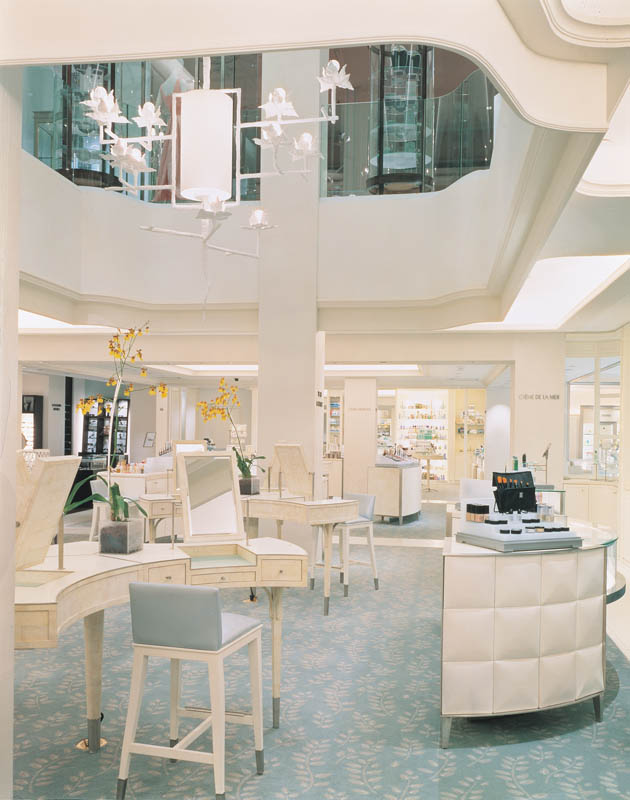
Interior Design in Beijing: Commercial & Residential Innovation
Beijing is a city of layers—历史与未来并存 (history and future co-exist). Imperial courtyards sit beside glass towers, global corporations share streets with family-run eateries, and homes must balance privacy, density, and aspiration. In this context, Interior Design Beijing is not about visual trends alone; it is about spatial intelligence, cultural sensitivity, and long-term performance.
As an interior design company Beijing businesses and homeowners turn to for insight, our firm approaches design as a strategic response to how the city lives, works, and evolves—especially amid global economic uncertainty that is reshaping real estate decisions worldwide. In Beijing, cautious capital, policy direction, and lifestyle shifts are creating demand for smarter, more adaptable interior environments across both commercial and residential sectors.
Understanding How Beijing Lives, Works, and Experiences Space
Beijing’s urban fabric is defined by high density, strong governance, and clear functional zoning. Core business districts such as Beijing CBD, Financial Street, and Zhongguancun anchor finance, technology, and innovation, while lifestyle clusters like Sanlitun drive retail, dining, and nightlife culture.
Residential typologies range from compact high-rise apartments to luxury villas in suburban enclaves. Climate adds another layer: hot summers, cold winters, and air quality concerns demand thoughtful material selection, ventilation strategy, and spatial zoning.
In such an environment, interior design must:
-
Maximise spatial efficiency without sacrificing comfort
-
Support productivity and wellbeing in dense workplaces
-
Reflect cultural values of order, hierarchy, and harmony
-
Deliver long-term asset value amid economic uncertainty
This is why Interior Design Beijing requires deep local intelligence, not generic global solutions.
Designing Hotels that Reflect the Identity of Beijing
Hospitality in Beijing is shaped by business travel, government activity, cultural tourism, and international events. Hotels must serve diverse user groups—official delegations, executives, and culturally curious guests—often within the same building.
Key Hospitality Design Strategies
-
Guest journey mapping: From arrival to room to public amenities, spaces must feel intuitive and dignified.
-
Cultural storytelling: Subtle references to hutong geometry, courtyard sequencing, or traditional materials interpreted in contemporary ways.
-
Climate-responsive comfort: Thermal zoning, layered insulation, and adaptable lighting for seasonal extremes.
-
Operational efficiency: Back-of-house planning that supports staffing efficiency and service speed.
In Beijing, hotel interior design success is measured not by spectacle, but by quiet confidence and functional elegance—spaces that feel 国际化但不失本土感 (international yet locally grounded).
High-Performance Workplace Design in Beijing
Offices in a Policy-Driven, Talent-Competitive City
Beijing’s workforce is highly educated, ambitious, and increasingly selective. Hybrid work models, ESG expectations, and competition for tech and finance talent are transforming office interiors.
For an interior design company Beijing corporates trust, workplace design must balance:
-
Hierarchy and collaboration
-
Security and openness
-
Flexibility and control
Workplace Design Priorities
-
Smart space planning: Activity-based zones supporting focus, collaboration, and leadership presence.
-
Technology integration: Seamless video conferencing, data infrastructure, and access control.
-
Wellbeing and ergonomics: Acoustic control, daylight optimisation, and biophilic elements.
-
Brand-aligned environments: Spatial storytelling that communicates corporate identity and credibility.
In districts like Zhongguancun and the CBD, offices are no longer cost centres—they are strategic tools for retention and performance.
Creating Social Destinations: Restaurant & Club House Design
Beijing’s F&B and social scene is highly competitive and image-conscious. From fine dining in Sanlitun to private club houses in high-end residential compounds, design is a key differentiator.
Design as a Social Strategy
-
Atmosphere engineering: Lighting, acoustics, and spatial compression to shape mood.
-
Zoning for behaviour: Clear separation between arrival, dining, and social areas.
-
Brand storytelling: Interiors that photograph well and communicate identity instantly.
-
Durability and adaptability: Materials that withstand high traffic and frequent refresh cycles.
In a city where word-of-mouth and social media visibility matter, restaurant and club house interiors must be emotionally engaging yet operationally disciplined.
Designing Homes that Respond to the Way Beijing Lives
Residential Realities
Beijing homes must address:
-
Compact apartment layouts
-
Multi-generational living patterns
-
Privacy needs within dense communities
-
Seasonal climate variation
Residential Design Strategies
-
Spatial optimisation: Built-in storage, flexible partitions, and multifunctional rooms.
-
Zoning for family life: Clear separation between public, private, and service areas.
-
Climate-aware materials: Finishes that perform across temperature extremes.
-
Smart home integration: Lighting, air quality, and security systems enhancing daily life.
Whether designing apartments, villas, or bungalows, residential interior design in Beijing is about creating calm within complexity—安静但有力量 (quiet yet strong).
Unique Interior Design Ideas We Implement
-
Biophilic Integration
Indoor greenery, natural textures, and daylight strategies to counter urban stress. -
Adaptive Layouts
Spaces that shift function across day and season, supporting hybrid lifestyles. -
Layered Lighting Systems
Task, ambient, and accent lighting responding to Beijing’s long winter evenings. -
Material Contrast Strategy
Balancing stone, metal, and warm timber to reflect modern Beijing aesthetics. -
Cultural–Modern Fusion
Contemporary forms grounded in Chinese spatial logic and proportion. -
Technology-Enhanced Experiences
Smart controls and data-driven layouts improving usability and efficiency.
Each idea is rooted in contextual logic, not visual trend.
Why Interior Design in Beijing Requires Local Intelligence
Beijing projects demand:
-
Regulatory awareness and approval processes
-
Climate and air-quality knowledge
-
Understanding of property typologies
-
Supply chain and craftsmanship familiarity
-
Execution capability within tight controls
An interior design company Beijing clients rely on must operate as a strategic partner, aligning design intent with policy, construction reality, and market expectation.
Our Design Approach
-
Research & Site Analysis – Understanding context, users, and constraints
-
Concept & Spatial Strategy – Translating insight into functional layouts
-
Visualisation & Detailing – Clear decision-making tools for stakeholders
-
Technical Coordination – Aligning MEP, structure, and interiors
-
Execution & Control – Managing quality, timeline, and cost
-
Styling & Handover – Completing the experience with precision
Every decision is measured against performance, longevity, and user experience.
Transform Your Commercial or Residential Space in Beijing
As Beijing navigates economic uncertainty with resilience, interior environments are becoming key assets—supporting productivity, attracting talent, and enhancing lifestyle quality.
For organisations and homeowners seeking insight-led transformation, Interior Design Beijing is not about decoration. It is about strategic spatial thinking grounded in local reality.
If you are rethinking a hotel, office, restaurant, retail space, or home, our firm invites you to begin with a conversation—关于空间,关于未来 (about space, about the future).
Connect with us in


