Designing for Connection: How Beijing Interior Design Can Combat Workplace Loneliness
As a creative interior designer with over two decades of experience crafting emotionally intelligent, people-centric environments, I’ve seen how the spaces we inhabit shape not only our productivity—but our sense of belonging.Interior Design Beijing
In Beijing , where the pace of life is fast and digital interactions often replace face-to-face conversations, workplace loneliness has become a silent challenge—even in bustling office towers across Chaoyang , CBD , and *Zhongguancun .
At our firm, we believe that great Beijing interior design can do more than look beautiful—it can bring people together.
Here’s how we’re redefining office interiors to foster connection, community, and emotional well-being in an era of increasing isolation.
The Hidden Crisis: Loneliness in the Modern Workplace
The rise of remote work, open-plan offices, and tech-driven communication has brought efficiency—but also distance.
In Beijing’s competitive corporate landscape, employees often spend long hours at their desks, surrounded by people but feeling disconnected from them.
This isn’t just about social interaction—it’s about mental health, engagement, and performance. And it’s a challenge we take seriously as designers.
Because in Chinese culture, “独处是福气,但孤独却是病” (solitude is a blessing, but loneliness is a sickness ).
Our goal? To create office spaces that encourage spontaneous conversations, collaboration, and meaningful human connections.
Designing Offices That Bring People Together
We don’t just build workstations—we build relationships.
Through strategic spatial planning and emotionally intelligent design, we help companies cultivate a stronger sense of community within their teams.
Here are some of the ways we do this:
1. Breakout Zones for Informal Interaction
Instead of rigid layouts, we design informal seating clusters, tea corners, and lounge-style areas where employees can step away from screens and engage with each other.
These spaces—inspired by traditional teahouse culture—become natural gathering points that encourage casual conversation and idea-sharing.
2. Flexible Layouts That Support Collaboration
Openness doesn’t mean openness to connection. We integrate modular furniture, movable partitions, and multi-use zones that adapt to different group sizes and work styles.
From brainstorming pods to shared tables, these areas invite teamwork without sacrificing focus.
3. Visual Connectivity Across Floors
In high-rise offices across Wangfujing and *Guomao , we use glass walls, internal staircases, and open atriums to maintain visual flow between departments.
When people can see and be seen, they feel part of something bigger—reducing feelings of isolation and enhancing team cohesion.
4. Community-Centric Branding Walls
Rather than focusing solely on logos and slogans, we incorporate storytelling elements—employee milestones, team photos, and cultural heritage motifs—that reinforce identity and pride.
After all, “办公室不只是工作的地方,更是归属感的来源” (an office is not just a place to work—it’s a place to belong ).
Local Insights: Office Culture in Beijing
Beijing’s work culture is unique—where tradition meets innovation, hierarchy coexists with agility, and formality blends with warmth.
To truly connect with local professionals, office design must reflect both modernity and familiarity.
That’s why we integrate elements like:
- Tea-serving stations inspired by traditional Chinese hospitality
- Feng shui principles to ensure balanced energy flow
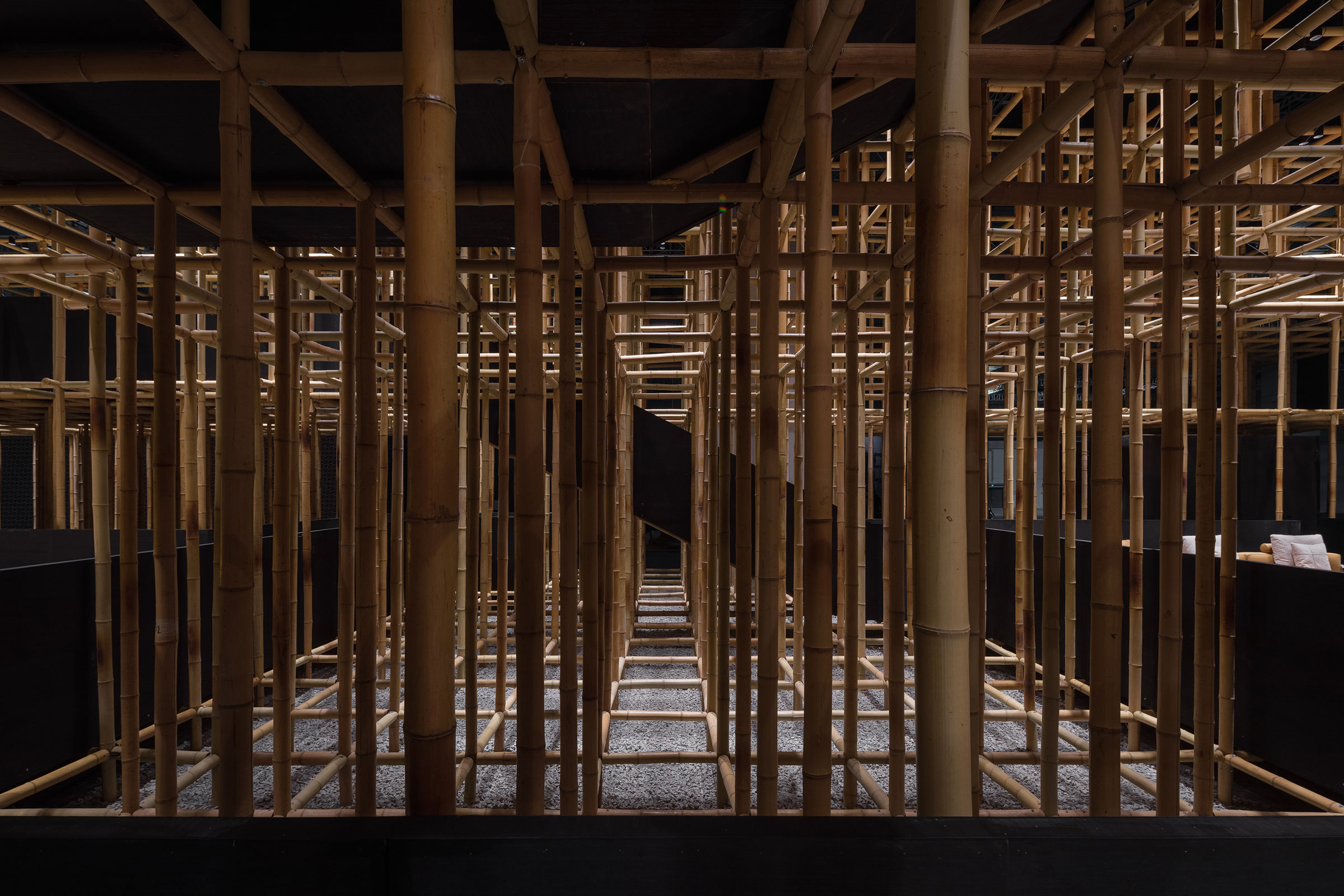
- Natural materials such as bamboo, stone, and wood to create calming environments
- Color psychology rooted in Chinese symbolism (e.g., red for energy, green for growth)
These subtle yet powerful touches make employees feel grounded, respected, and connected—not just to each other, but to their roots.
Real-World Examples from Our Portfolio
Inspired by the human-centered approach of London-based designers featured on Instagram—who prioritize personality and purpose in their work—we’ve adapted similar values to fit Beijing’s urban rhythm.
For example:
- A tech startup in *Haidian District wanted to foster camaraderie among its young team. We designed a central hub with modular sofas, a rotating art wall featuring employee artwork, and a shared kitchenette that encouraged daily interaction.
- A multinational law firm in *Financial Street requested a redesign that felt less formal. We introduced warm lighting, soft textures, and circular meeting pods that invited open dialogue and inclusivity.
- A Beijing-based F&B brand partnered with us to create an office that celebrated its heritage. We incorporated traditional ink-wash patterns into the flooring, added calligraphy-inspired signage, and created a communal dining area that echoed family-style meals.
Each project reinforced our belief that great Beijing interior design should do more than impress—it should connect.
Final Thoughts: Design That Builds More Than Just Walls
Interior design in Beijing today is more than aesthetics—it’s about building futures—of teams, cultures, and communities.
At our firm, we believe that great office interiors don’t just support tasks—they nurture souls. Whether you’re setting up a new HQ in *CBD , renovating a boutique office in *Sanlitun , or launching a co-working space in *Zhongguancun , your space should reflect your values, empower your people, and reduce the invisible burden of loneliness.
So if you’re ready to create a workplace that inspires, connects, and sustains—let’s begin the conversation.
Ready to Redefine Your Office Space?
Contact us today for a personalized consultation and discover how our people-first, culturally grounded approach to Beijing interior design can transform your next project into something truly unforgettable.
Designing of the office in countering an era of loneliness
Follow us on social media, we post good stuff


