- 196
interior Design Beijing | From Destinations to Living Environments
Hospitality design is no longer simply about creating places to stay.Interior Design Beijing
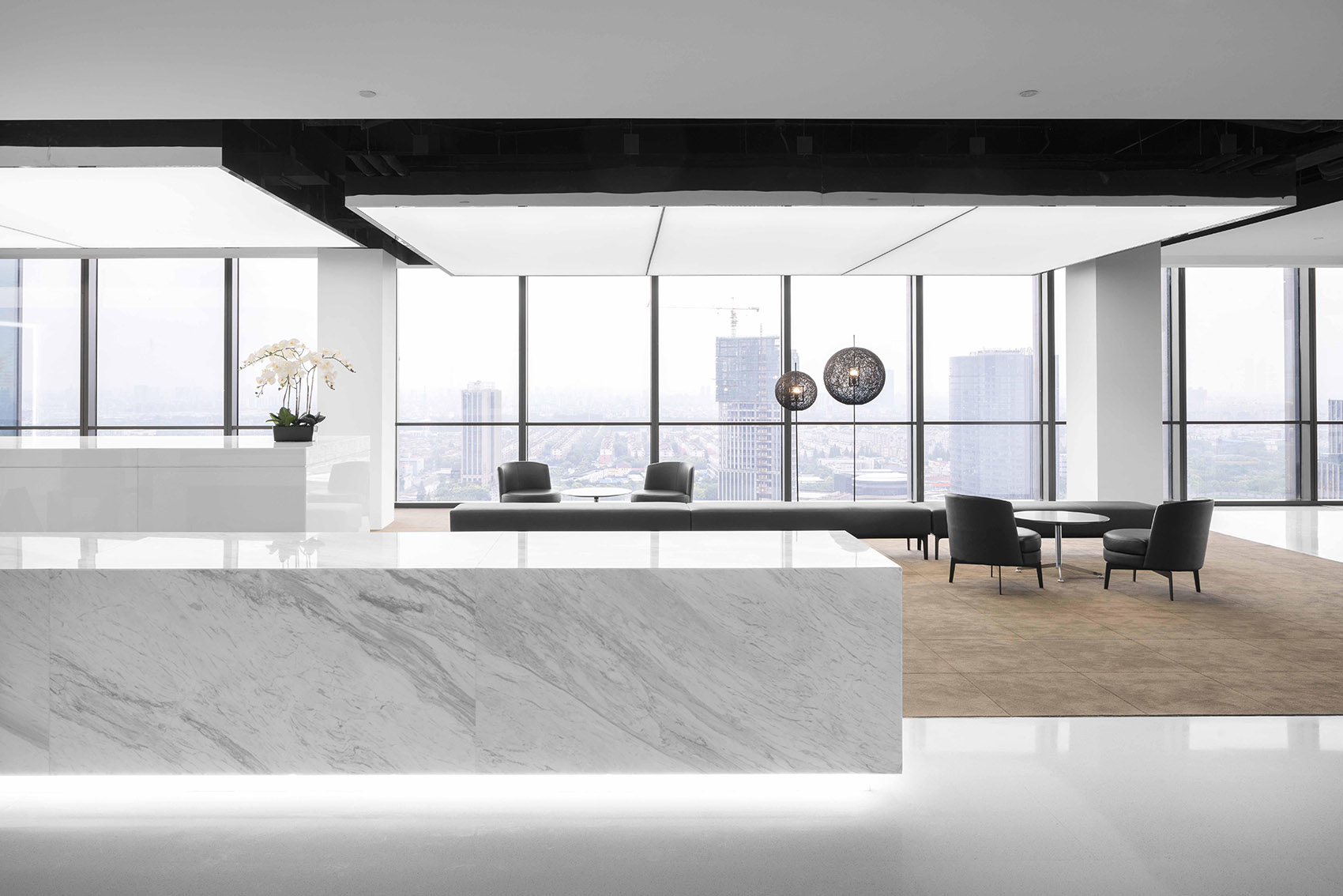
In 2026, the hospitality industry is undergoing a profound transformation shaped by evolving traveler behavior, hybrid lifestyles, wellness-focused living, and the growing desire for emotionally engaging experiences. Hotels, resorts, mixed-use developments, and lifestyle destinations are becoming something far more immersive: living environments where people work, socialize, rest, connect, and belong.
At our firm, we see hospitality as an ecosystem rather than a destination. Through our approach to interior Design Beijing, we explore how hospitality, residential, workplace, and lifestyle environments increasingly merge into fluid, experience-driven spaces designed around people rather than functions alone.
In Beijing, this evolution feels especially significant. From the business-driven energy of Guomao and Chaoyang CBD to the creative lifestyle districts of Sanlitun and 798 Art Zone, hospitality today is expected to deliver more than luxury—it must create atmosphere, flexibility, cultural resonance, and emotional comfort. 舒适感 (a feeling of comfort and ease) has become as important as visual sophistication.
The Shift from Destination to Living Environment
Modern hospitality environments are no longer designed only for temporary stays.
Today’s hotels function simultaneously as:
- Social gathering spaces
- Coworking environments
- Wellness retreats
- Lifestyle destinations
- Cultural hubs
- Flexible hybrid spaces for both locals and travelers
This shift reflects a deeper change in how people live and travel. Guests increasingly seek spaces that feel intuitive, welcoming, and emotionally grounding rather than formal or transactional.
In interior Design Beijing, this transformation is visible across luxury hospitality, branded residences, lifestyle hotels, and mixed-use developments where hospitality spaces now support both business productivity and personal wellbeing.
The future of hospitality lies not in creating places people visit briefly, but places they genuinely want to inhabit.
Hospitality Design in the Experience Economy
Luxury today is defined less by material excess and more by emotional richness.
Travelers increasingly value:
- Authentic cultural experiences
- Emotional connection
- Personalized environments
- Sensory comfort
- Storytelling and atmosphere
- Memorable interactions
This is the experience economy shaping hospitality design globally.
At our firm, we approach hospitality environments as immersive narratives. Spatial flow, lighting, textures, acoustics, scent, and materiality all contribute to how guests emotionally experience a space.
A successful hospitality project should not only look elegant in photographs. It should create memory.
In Beijing’s increasingly competitive hospitality landscape, where global hotel brands coexist alongside highly curated boutique concepts, atmosphere has become one of the most valuable differentiators.
The Blurring of Hospitality, Residential & Workplace Design
The boundaries between hospitality, residential, and workplace design continue to dissolve.
Modern hospitality spaces increasingly incorporate:
- Residential warmth and intimacy
- Flexible workplace functionality
- Lifestyle-oriented social experiences
- Wellness-driven planning
- Multifunctional communal environments
Hotels today often include coworking lounges, social libraries, wellness suites, rooftop gardens, and flexible gathering spaces designed for both guests and local communities.
At the same time, offices are becoming more hospitality-inspired, while luxury residences increasingly adopt hotel-like experiences and services.
This convergence is shaping the next generation of interior Design Beijing, especially within mixed-use developments across Chaoyang, Wangjing, and emerging urban lifestyle districts.
The future of hospitality is not defined by categories—it is defined by experience.
Designing for Wellness & Human Connection
People are seeking environments that restore emotional balance.
Hospitality design today must support:
- Mental wellbeing
- Emotional comfort
- Social interaction
- Physical restoration
- Sensory calm
This is why biophilic design, natural light, greenery, tactile materials, and acoustic comfort have become central to modern hospitality environments.
Our hospitality strategies often include:
- Layered lighting that responds to mood and time of day
- Organic materials that soften urban density
- Quiet retreat zones within active social environments
- Indoor greenery and natural textures
- Wellness-focused spatial planning
In dense global cities like Beijing, these moments of calm are no longer luxuries—they are necessities.
慢下来 (“slow down”) has become an increasingly important emotional quality within hospitality environments.
Technology & the Future Guest Experience
Technology is transforming hospitality, but human connection remains essential.
Smart systems, AI personalization, seamless digital integration, and data-driven hospitality operations are reshaping how guests interact with environments. However, technology should support hospitality—not overpower it.
At our firm, we believe the future of hospitality technology lies in invisibility:
- Seamless check-in experiences
- Intelligent lighting and environmental control
- Adaptive guest personalization
- Efficient operational systems
- Integrated digital convenience balanced with emotional warmth
The most advanced hospitality spaces are often the ones where technology feels effortless rather than intrusive.
This balance is increasingly important in interior Design Beijing, where guests expect both innovation and emotional comfort.
Designing Hospitality Spaces in Beijing
Beijing offers a uniquely layered hospitality context—global, historical, dense, and culturally complex.
Designing hospitality spaces here means responding to:
- International business travel
- Rapidly evolving lifestyle expectations
- High-density urban conditions
- Strong cultural identity and heritage
- Demand for both sophistication and emotional warmth
Our design responses often include:
- Multifunctional planning for compact urban hospitality
- Sophisticated layering of public and private zones
- Material palettes balancing contemporary luxury with cultural depth
- Wellness-focused retreat spaces within urban environments
- Social activation areas supporting modern hybrid lifestyles
From luxury hospitality in Guomao to boutique lifestyle environments in Sanlitun, Beijing’s hospitality future is increasingly experiential, immersive, and emotionally driven.
Our Hospitality Design Approach
Every hospitality project begins with understanding human experience.
1. Concept Strategy
We define the emotional and operational vision for the environment.
2. Guest Journey Mapping
We study movement, interaction, behavior, and atmosphere throughout the space.
3. Spatial Planning
Layouts are carefully choreographed to support both operational flow and emotional engagement.
4. Material & Lighting Curation
We shape atmosphere through texture, lighting, and sensory layering.
5. Operational Understanding
Every design decision supports long-term hospitality performance and efficiency.
6. Execution & Styling
Final detailing, furnishings, and spatial refinement bring the narrative fully to life.
This holistic approach allows us to create hospitality environments that feel timeless, immersive, and deeply human.
Our Perspective
At our firm, we believe hospitality design is no longer about creating destinations alone.
It is about creating living environments—spaces where people feel emotionally connected, culturally engaged, socially inspired, and personally restored.
Through our approach to interior Design Beijing, we create future-ready hospitality environments where lifestyle, wellness, flexibility, and experience exist in harmony.
Because the future of hospitality is not only about where people stay.
It is about how people feel while they are there.
Rethink the Future of Hospitality in Beijing
If you are developing a hotel, resort, mixed-use hospitality environment, or lifestyle destination, our firm is ready to help shape the next generation of hospitality experience.
Let’s create spaces that:
- Go beyond aesthetics
- Strengthen emotional connection
- Support modern hybrid lifestyles
- Reflect cultural identity
- Deliver meaningful hospitality experiences for the future
Because the best hospitality environments are no longer destinations alone.
They become part of how people live.
Connect with us in


