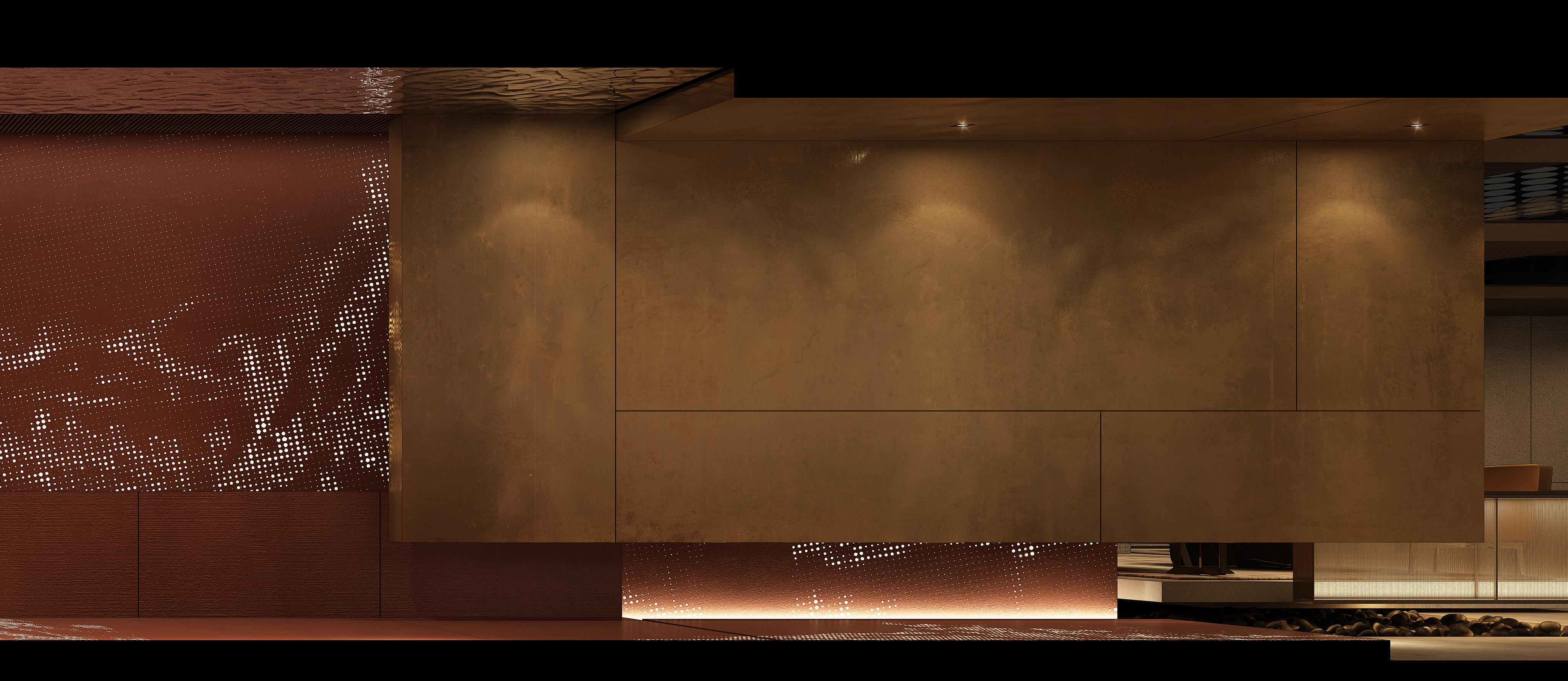
How Beijing Interior Design Helps Attract and Retain Top Talent
In the bustling heart of China’s capital, where innovation meets tradition, Beijing interior design has taken on a new role—not just shaping spaces, but shaping company culture.As a creative interior designer with over two decades of experience crafting emotional, people-centric environments, I’ve seen firsthand how thoughtfully designed offices can influence not only how teams work—but also who chooses to stay.interior design beijing
In today’s competitive job market, especially in dynamic business districts like Zhongguancun, CBD Beijing, and Wangjing, top talent doesn’t just look for a salary—they look for meaning, comfort, and connection. And that begins with the space they walk into every day.
Here’s how our firm approaches Beijing interior design to help organizations attract and retain the best minds in tech, finance, media, and beyond.
Workplace Design as a Reflection of Company Values
In Chinese culture, the saying goes: “以人為本” (yǐ rén wéi běn) —people come first. This philosophy is becoming increasingly important in modern office design.
Your workspace should reflect your brand identity, mission, and values. Whether you’re a startup in Haidian or an established firm in Financial Street, your environment sends a message—especially to potential hires.
At our firm, we ensure that every project tells a story. That might mean integrating local materials like Suzhou silk or Shanxi wood finishes to reflect heritage, or designing open-plan layouts that embody transparency and collaboration.
When candidates walk in and feel aligned with your culture before even sitting down, you’ve already won half the battle.
Enhancing Well-Being Through Thoughtful Space Planning
One of the most powerful ways Beijing interior design can support talent retention is by prioritizing employee well-being.
Long hours, fast-paced demands, and high competition are common in Beijing’s corporate world. A poorly designed office can amplify stress—while a well-designed one can reduce it.
We focus on:
- Zoning : Creating distinct areas for focused work, relaxation, and social interaction
- Biophilic elements : Adding plants, natural light, and organic textures to improve air quality and mood
- Ergonomic furniture : Ensuring chairs, desks, and layouts support posture and reduce fatigue
- Acoustic control : Using sound-absorbing panels, carpets, and partitions to minimize noise distractions
In one recent project in Chaoyang, we transformed a rigid, closed layout into a flexible, wellness-first environment with lounge-style breakouts and meditation pods. The result? Higher employee satisfaction and lower turnover.
Because when your team feels good, they stay longer.
Fostering Productivity with Smart, Human-Centered Layouts
The right layout can make or break productivity. In a city like Beijing, where hybrid and remote work models are evolving, physical office spaces must offer something digital can’t: inspiration, energy, and connection.
That’s why we emphasize:
- Modular furniture that adapts to different tasks and team sizes
- Technology integration , such as smart boards and wireless charging stations
- Collaborative hubs that encourage spontaneous brainstorming
- Quiet zones for deep thinking and focused work
For a fintech company in Zhongguancun, we introduced “activity-based working,” allowing employees to choose where and how they worked throughout the day. This flexibility boosted creativity and engagement—and helped them stand out as an employer of choice.
Building Culture Through Shared Spaces
In Chinese workplaces, relationships (关系 – guān xì ) matter deeply. Office design plays a crucial role in fostering these connections.
That’s why we always incorporate shared spaces—whether it’s a tea corner inspired by Beijing’s hutongs, a rooftop terrace overlooking CCTV Tower, or a communal lunch area with warm lighting and comfortable seating.
These spaces aren’t just about convenience—they’re about community. They’re where ideas spark, friendships form, and culture thrives.
At our firm, we believe great design doesn’t just support work—it supports humanity . And in a city where talent often changes jobs for better cultural fit, that humanity makes all the difference.
Case Study: Transforming a Tech Startup’s Office Culture
A young AI company based in Haidian came to us with a challenge: despite strong growth, they were struggling to retain talent.
After analyzing their workflow and speaking with employees, we redesigned their office with culture at its core:
- Introduced flexible seating and quiet pods to suit diverse working styles
- Created a central café area styled after a traditional Beijing teahouse
- Used warm colors and soft lighting to create a welcoming atmosphere
- Integrated bilingual signage and local artwork to reflect regional pride
Within six months, employee satisfaction scores improved significantly—and so did retention rates.
Final Thoughts: Design Offices That Inspire Loyalty
Office design isn’t just about aesthetics—it’s about strategy. In a competitive talent landscape like Beijing interior design , the way you shape your space directly impacts who walks through your door—and who decides to stay.
Because in a city full of ambition, your office should be more than functional—it should be unforgettable.
Let’s build more than just workspaces. Let’s build experiences that attract, engage, and inspire.
Ready to attract and retain top talent with meaningful Beijing interior design ?
Let’s collaborate to create a space that reflects your values, supports your people, and builds lasting loyalty. Contact us today to begin your journey toward a truly inspiring transformation.
Create an Office That Top Talent Wants to Work In
Follow us on social media, we post good stuff


