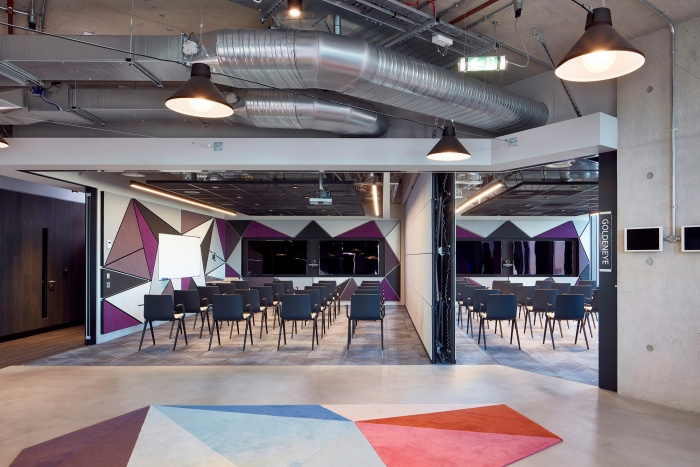
Restaurant and Cafe Beijing Interior Design: Where Culture Meets Contemporary Charm
“餐厅不仅是吃饭的地方,更是情感交流的空间。”
(A restaurant is not just a place to eat — it’s a space for connection.)
With over 20 years of experience crafting people-centric interiors, I’ve had the honor of designing spaces that do more than impress — they welcome, inspire, and bring people together.
In Beijing, where history and modernity walk hand-in-hand, restaurant and cafe Beijing interior design has a unique opportunity to tell stories — of heritage, craftsmanship, and the evolving rhythm of urban life.
Let me take you through how we bring warmth, culture, and contemporary flair into every project.
The Heart of Restaurant and Cafe Beijing Interior Design
Beijing’s culinary scene is as diverse as its neighborhoods — from traditional hutong teahouses to sleek cafes in Sanlitun and fine dining in Wangfujing. Each space must reflect not only the brand but also the spirit of the city.
As designers, our goal with restaurant and cafe Beijing interior design is to create environments that feel alive — places where locals linger over coffee, business meetings flow smoothly, and travelers feel immersed in local culture.
Whether it’s a dim sum spot tucked into a historic alley or a rooftop bar overlooking CCTV Tower, every detail matters.
Merging Tradition with Modern Aesthetics
One of the most rewarding aspects of working in Beijing is the rich cultural palette at our fingertips. We often draw inspiration from classical Chinese architecture — think curved eaves, lattice screens, and courtyards — and reinterpret them in a modern context.
For example, in a recent café project in Dashilan, we incorporated wooden latticework reminiscent of traditional siheyuan homes, paired with minimalist furniture and warm lighting. The result? A space that felt both timeless and fresh.
We also pay homage to local materials — bamboo, lacquered wood, stone, and porcelain — blending them with sleek finishes like brushed metal and concrete for a balanced aesthetic.
And of course, Feng Shui plays a subtle but powerful role in many of our layouts, ensuring energy flows freely and diners feel at ease.
Designing for Emotion and Experience
Interior design isn’t just about visuals — it’s about how a space makes you feel . That’s especially true in hospitality, where ambiance can influence appetite, conversation, and even memory-making.
In our work with restaurant and cafe Beijing interior design , we focus on:
- Lighting Layers : Soft ambient lighting creates intimacy, while task lighting ensures functionality. In one tea house in Houhai, we used paper lantern-inspired pendants to cast a warm glow over each table.
- Sensory Details : From the scent of freshly brewed pu’er to the sound of trickling water in an entryway fountain, sensory touches elevate the guest experience.
- Flexible Layouts : With hybrid work culture on the rise, many cafes now serve as informal offices. We design with this in mind — offering quiet corners, charging stations, and comfortable seating zones.
- Cultural Storytelling : Whether through wall art, calligraphy scrolls, or curated color palettes, every element should reflect the story behind the space.
After all, a great meal is best enjoyed in a space that feels meaningful.
Local Trends Influencing Today’s Designs
The landscape of restaurant and cafe Beijing interior design is constantly evolving. Here are some trends currently shaping the city’s most inspiring spaces:
- Industrial Elegance : Exposed brick walls, steel beams, and open kitchens add edge without sacrificing warmth.
- Biophilic Touches : Greenery is making a comeback — from vertical gardens to indoor bamboo installations.
- Tech-Integrated Design : Smart ordering systems, hidden speakers, and adjustable lighting controls enhance efficiency and comfort.
- Local Art Collaborations : Many owners are partnering with local artists to showcase original works — adding authenticity and community feel.
- Minimalist Color Palettes : Neutral tones with pops of red, jade green, or black ink accents keep spaces feeling calm yet culturally rooted.
These trends show that Beijingers value both function and soul — a balance we strive to achieve in every project.
Our Approach: People-Centric Design with Purpose
Every successful restaurant or café starts with understanding its people — the owner, the staff, and most importantly, the guests.
Our firm begins every restaurant and cafe Beijing interior design project by asking questions like:
- What kind of atmosphere do you want to create?
- Who are your regular customers?
- How does food connect people in this space?
From there, we craft a narrative — one that guides everything from layout to lighting. Our designs are never cookie-cutter; they’re tailored to reflect the heartbeat of the city and the vision of the brand.
In a recent project in Chaoyang, we transformed a narrow storefront into a cozy bistro using curved banquettes and soft textures to encourage conversation. In another, a high-end dumpling house embraced bold reds and golden accents to celebrate Lunar New Year year-round.
It’s all about designing with intention — and a little bit of poetry.
Final Thoughts: Crafting Spaces That Tell Stories
In the world of restaurant and cafe Beijing interior design , success isn’t measured in square footage or Instagram likes — it’s in the laughter shared over tea, the hushed conversations between colleagues, and the lingering moments after a satisfying meal.
At our firm, we believe that every space holds a story waiting to be told. Whether you’re opening a new concept in CBD or reimagining a classic in Dongcheng, thoughtful interior design can transform the way people connect with food, culture, and each other.
So if you’re ready to create a space that goes beyond aesthetics — one that truly resonates — let’s start designing together.
因为一个好空间,能让一顿饭更有温度。
(Because a great space can make a meal feel warmer. )
Award winning F&B Interior Design Firm
Follow us on social media, we post good stuff


